Retail App Design
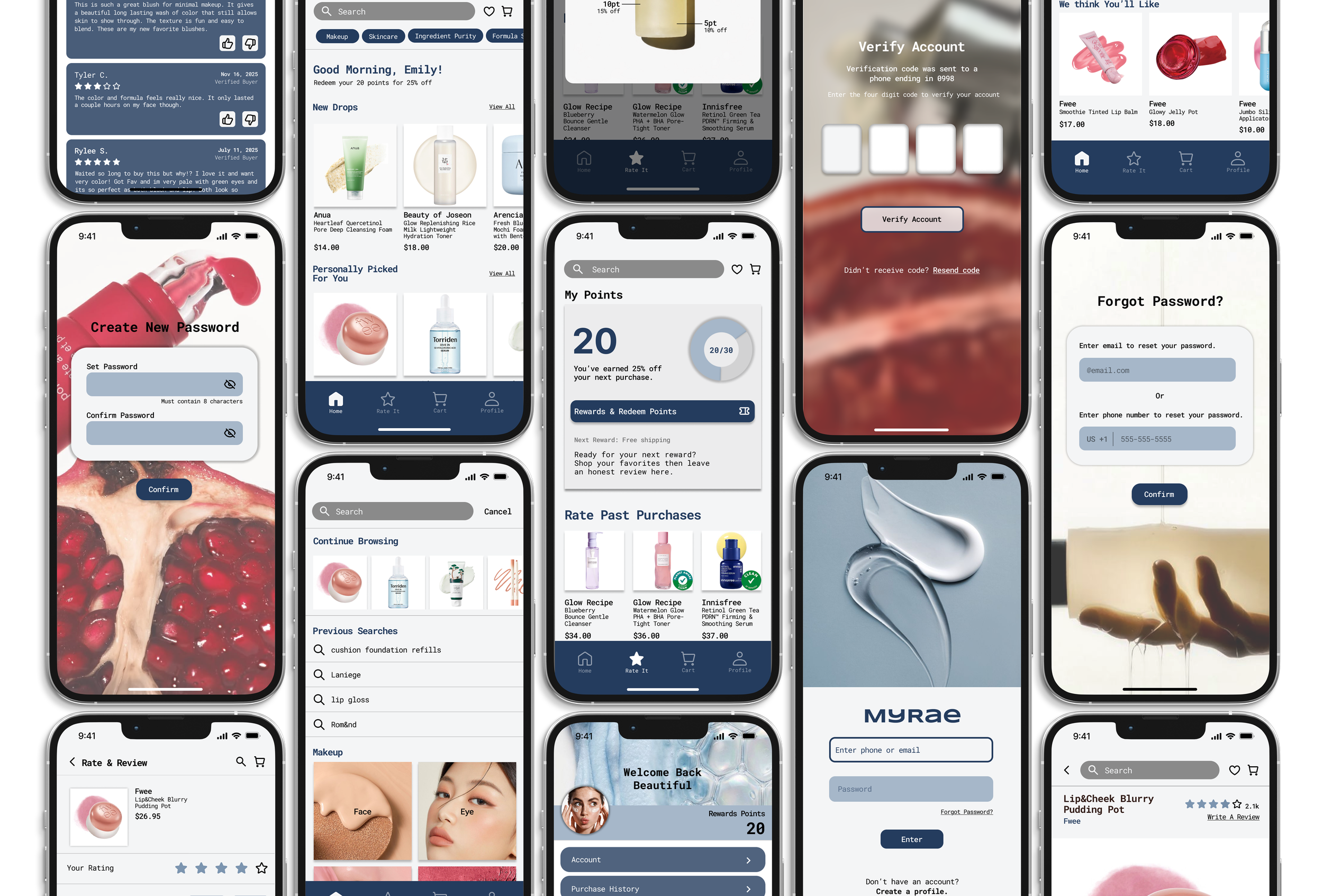
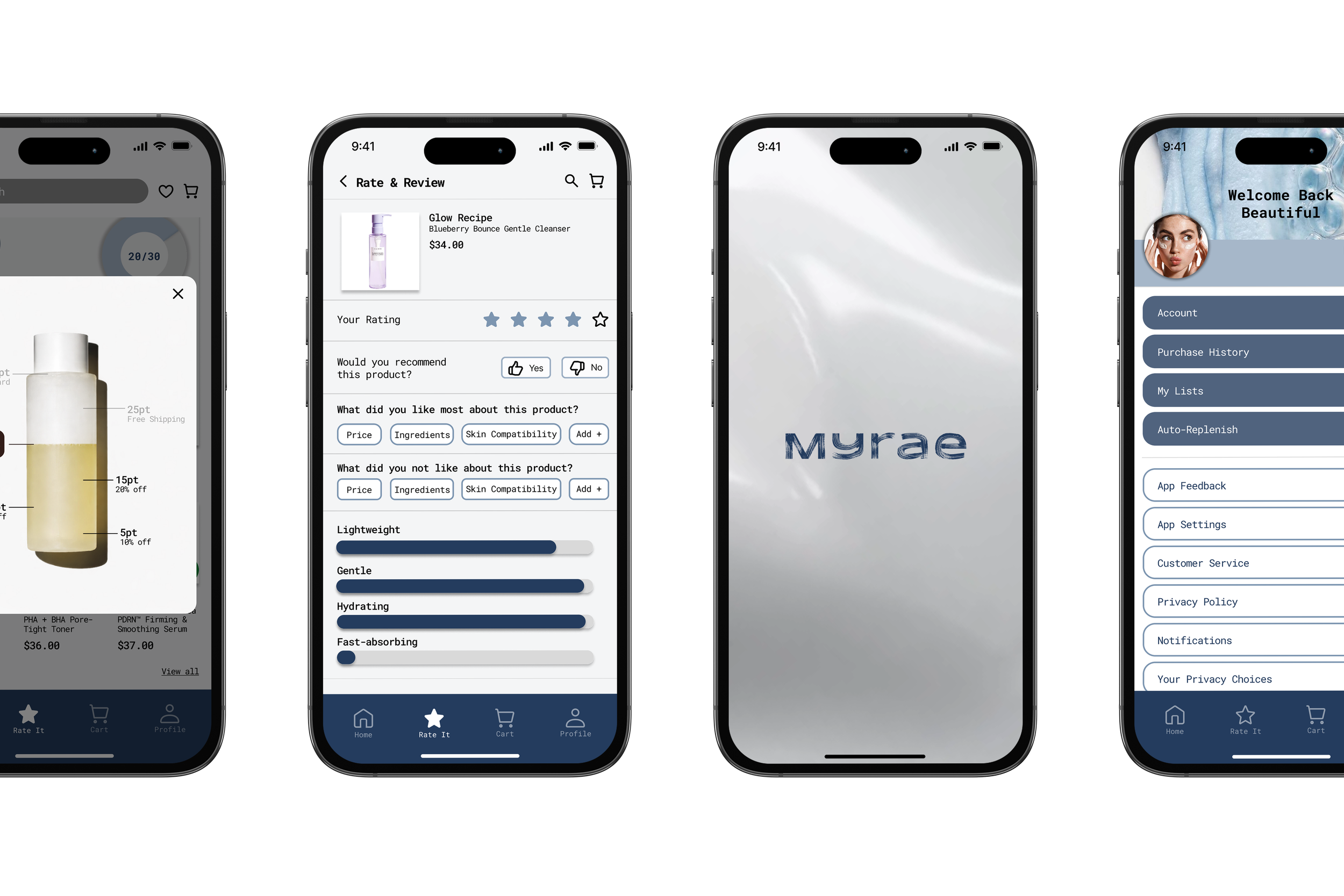
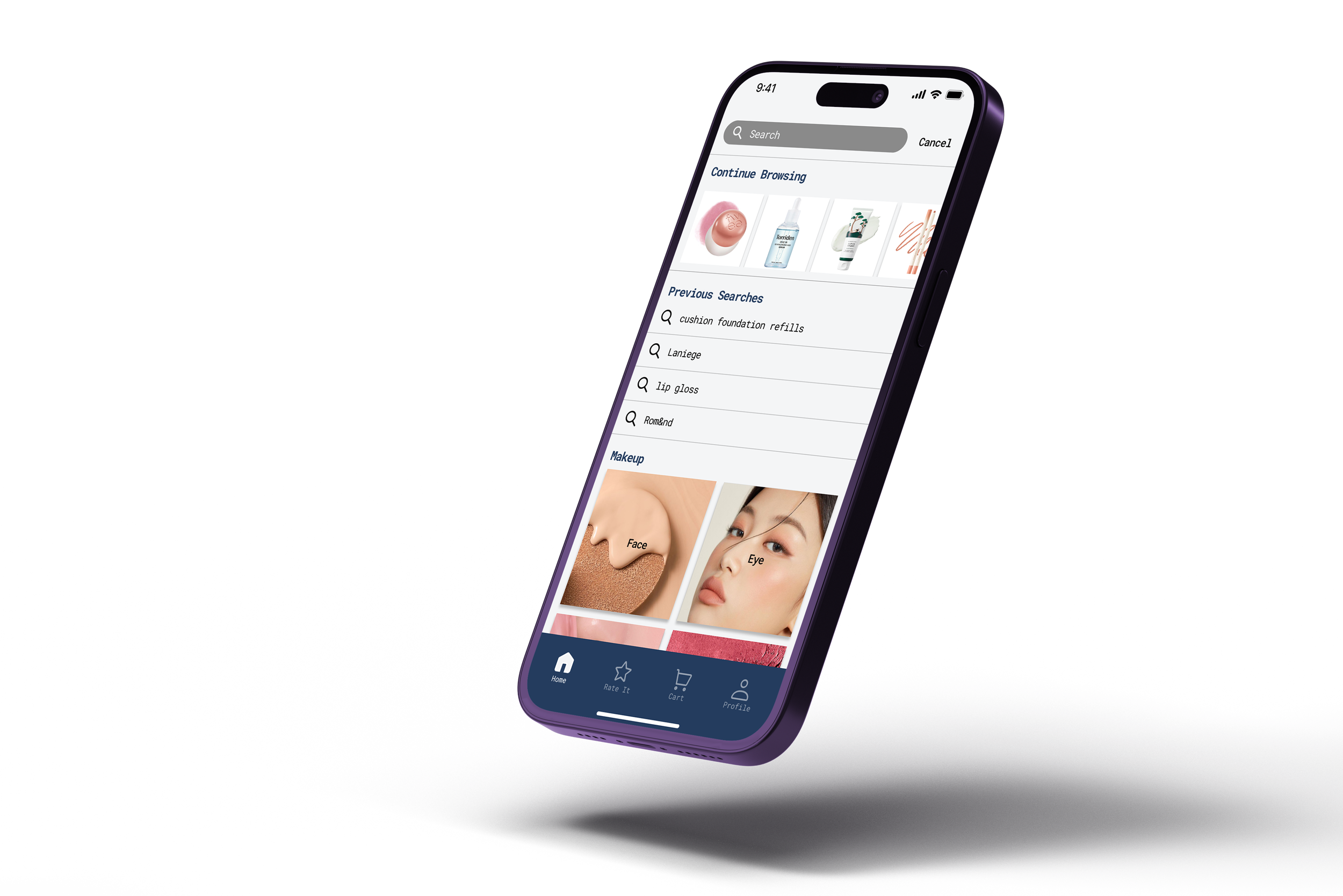
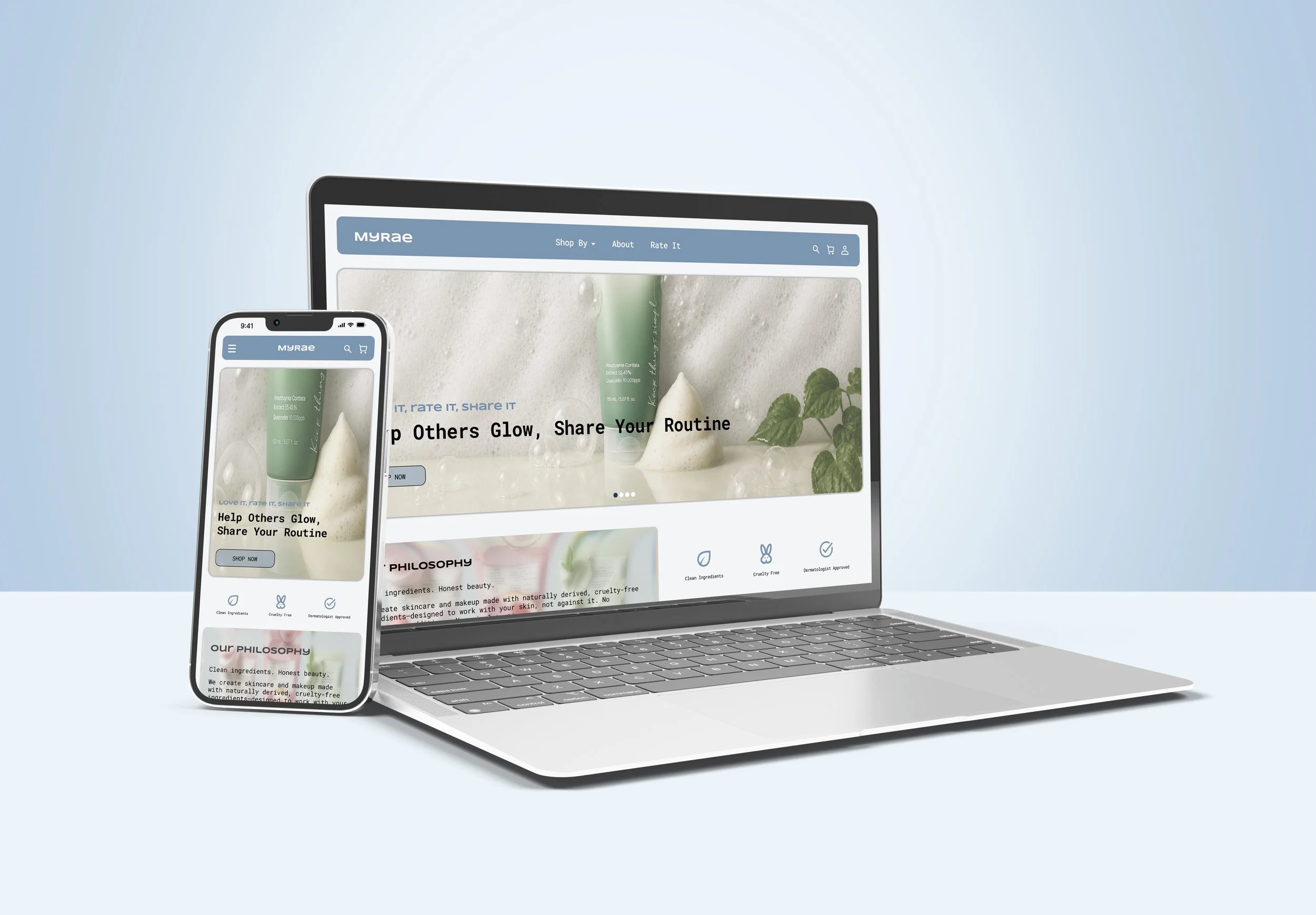
Myrae is a makeup and skincare retail app centered around clean, healthy ingredients. The concept emphasizes trust and transparency through a “Rate It” feature, where only verified purchasers can review products in exchange for incentives like discounts. This approach encourages authentic feedback while creating a more reliable and engaging user experience. Everything was designed in Figma.
Designed by Michelle Wong and Tiffany Chen.
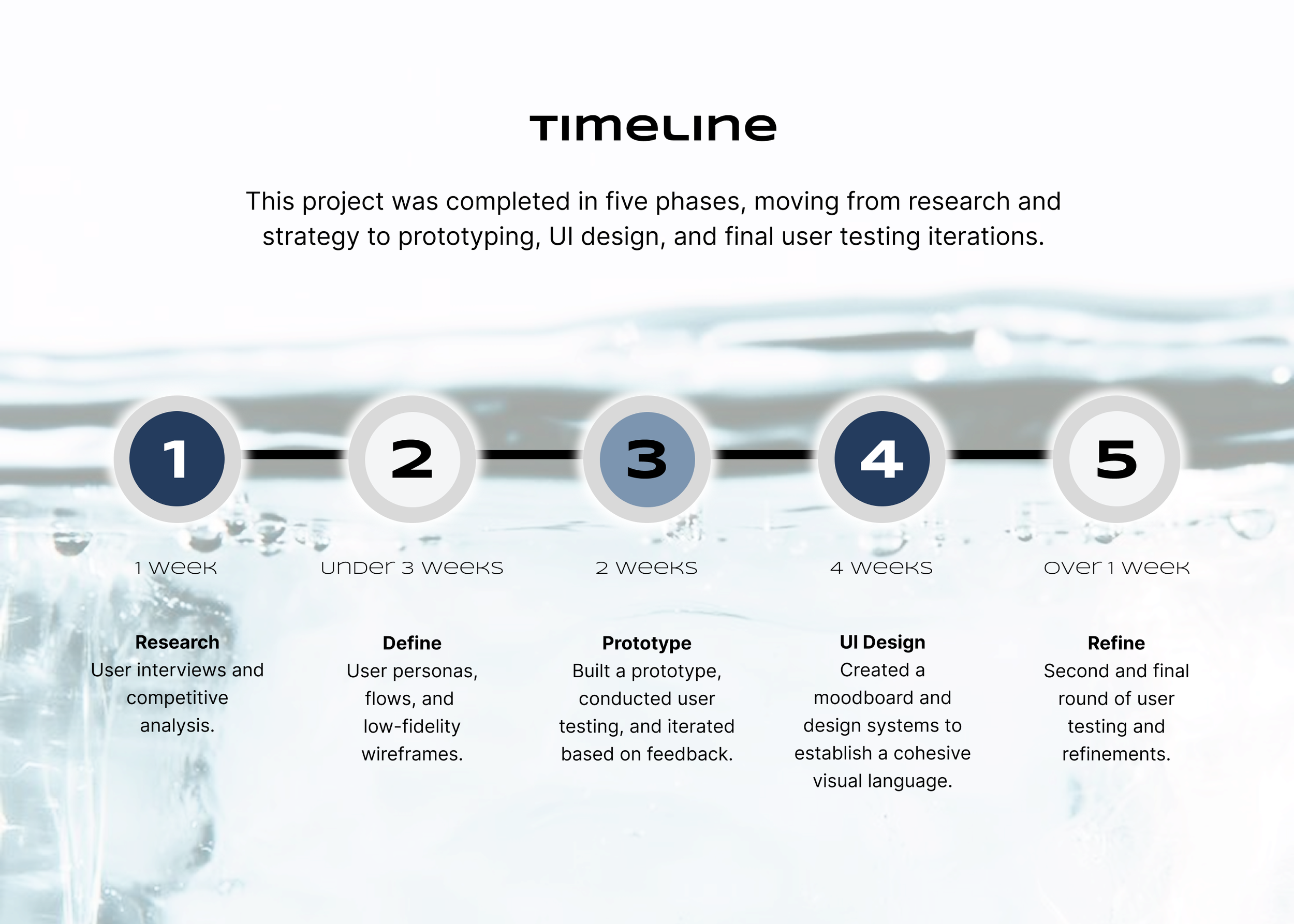
Phase 1:
Market and user research, competitive analysis, user flows, and value proposition
Research
-
The user testing group consisted of participants aged 18–30, including both male and female users, who were either students or working full-time.
-
What is your favorite shopping application and what device do you use?
How often and what time of day do you use the app?
What’s most appealing about the app?
What’s the hardest part about using this app?
Was there anything surprising or unexpected about the app?
What can be done to improve the app?
What feature of the app do you use the most?
-
User feedback revealed that participants value ease of navigation, quick access to information, and personalized recommendations when shopping online. While features like search and reviews were frequently used and appreciated, users noted that overwhelming product options, unclear product details, and cluttered interfaces can negatively impact their experience. Overall, feedback highlighted the importance of simplifying the browsing process while maintaining helpful filtering and trustworthy review systems.
-
Application
AmazonType
Hybrid applicationObjective
Explore and purchase products across multiple brandsTone / Mission
Seamless, trustworthy shopping experienceKey Features
Product search, purchasing, personalized recommendations, customer reviewsStrengths
Accurate products, fast shipping, strong customer support, reliable reviewsWeaknesses
Cluttered interface, overwhelming product listings, inconsistent third-party sellers, mobile usability issuesTarget Users
Broad audience; primarily Millennials and Gen Z focused on convenience and personalizationUser Interface
Simple and consistent structure, but heavily information-dense at times -
User interviews revealed that many participants found existing retail apps overwhelming, citing cluttered interfaces, too many product options, and difficulty trusting reviews. In response, our value proposition focuses on creating a more streamlined and trustworthy experience through verified user-generated ratings, clear ingredient transparency, and curated product selections. This approach reduces decision fatigue and helps users feel more confident in their purchasing decisions.
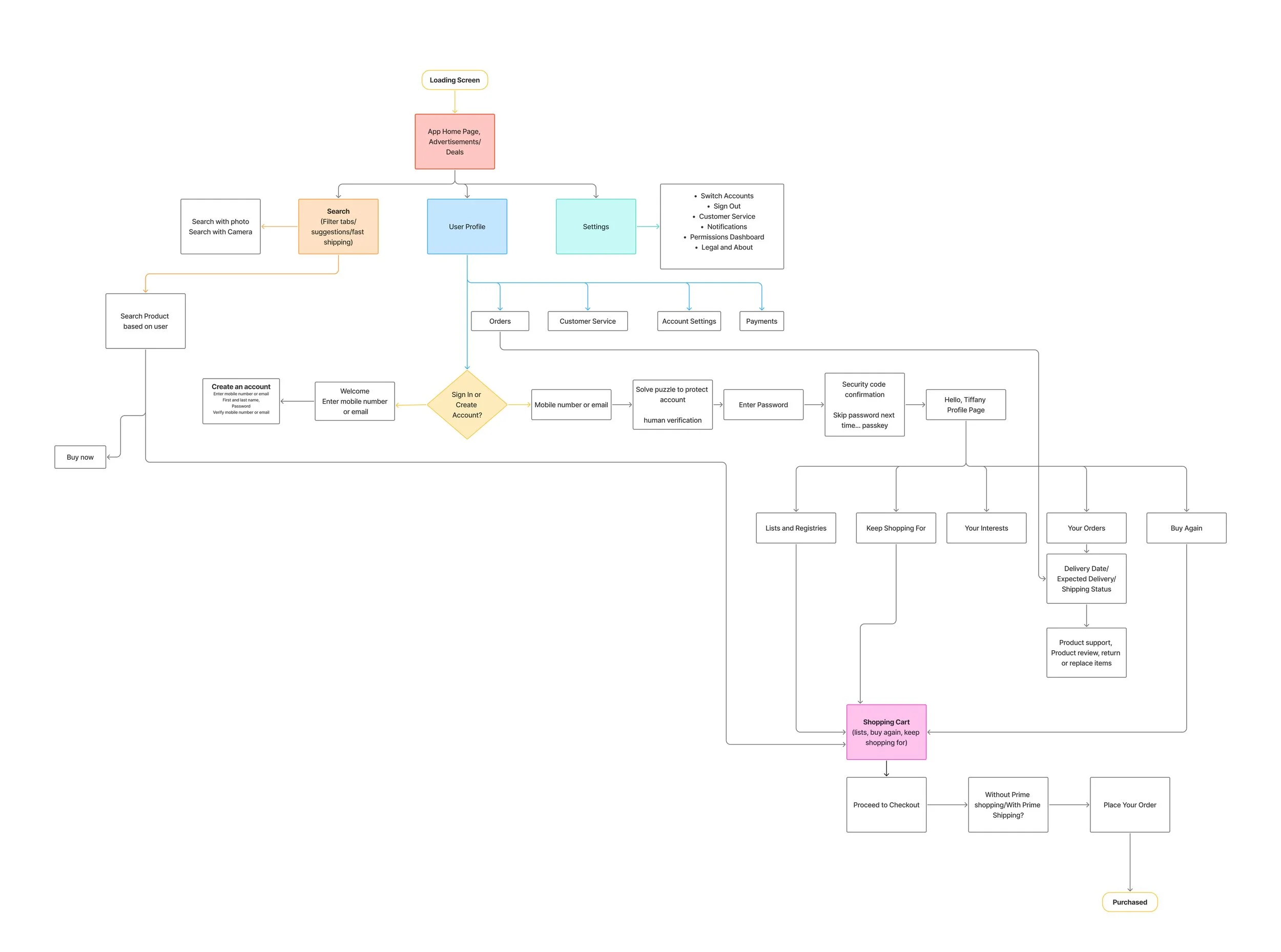
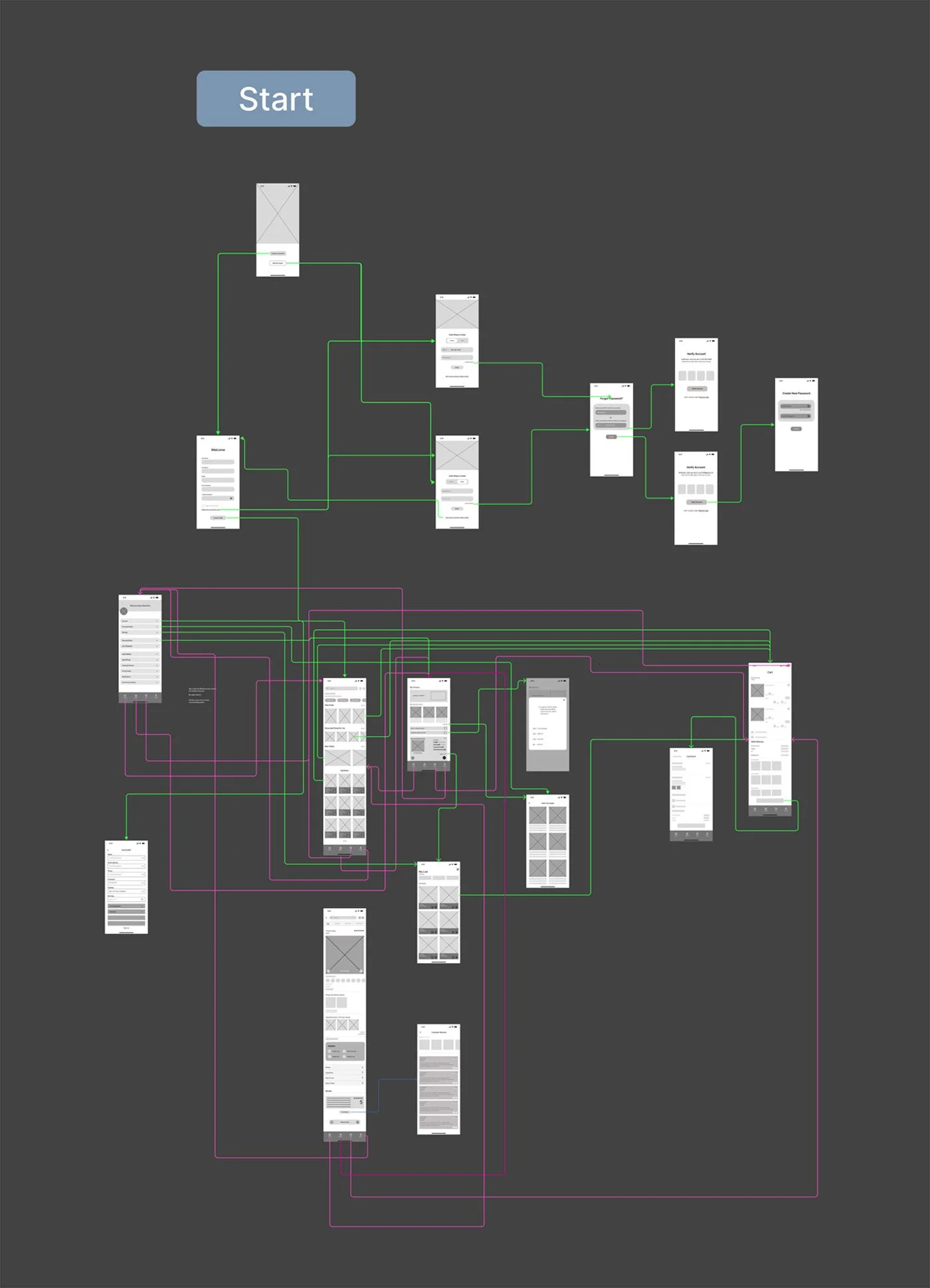
We created a user flow map of the same retail app used in our competitive analysis to better understand its navigation, structure, and decision-making paths.
Mapping the competitor’s flow helped identify key strengths, such as multiple entry points to purchasing and personalized features, as well as pain points including overly complex pathways, redundant steps, and an overwhelming number of options.
These insights informed our design decisions by highlighting the importance of simplifying navigation, reducing friction in key flows, and creating a more streamlined and intuitive user experience.
Phase 2:
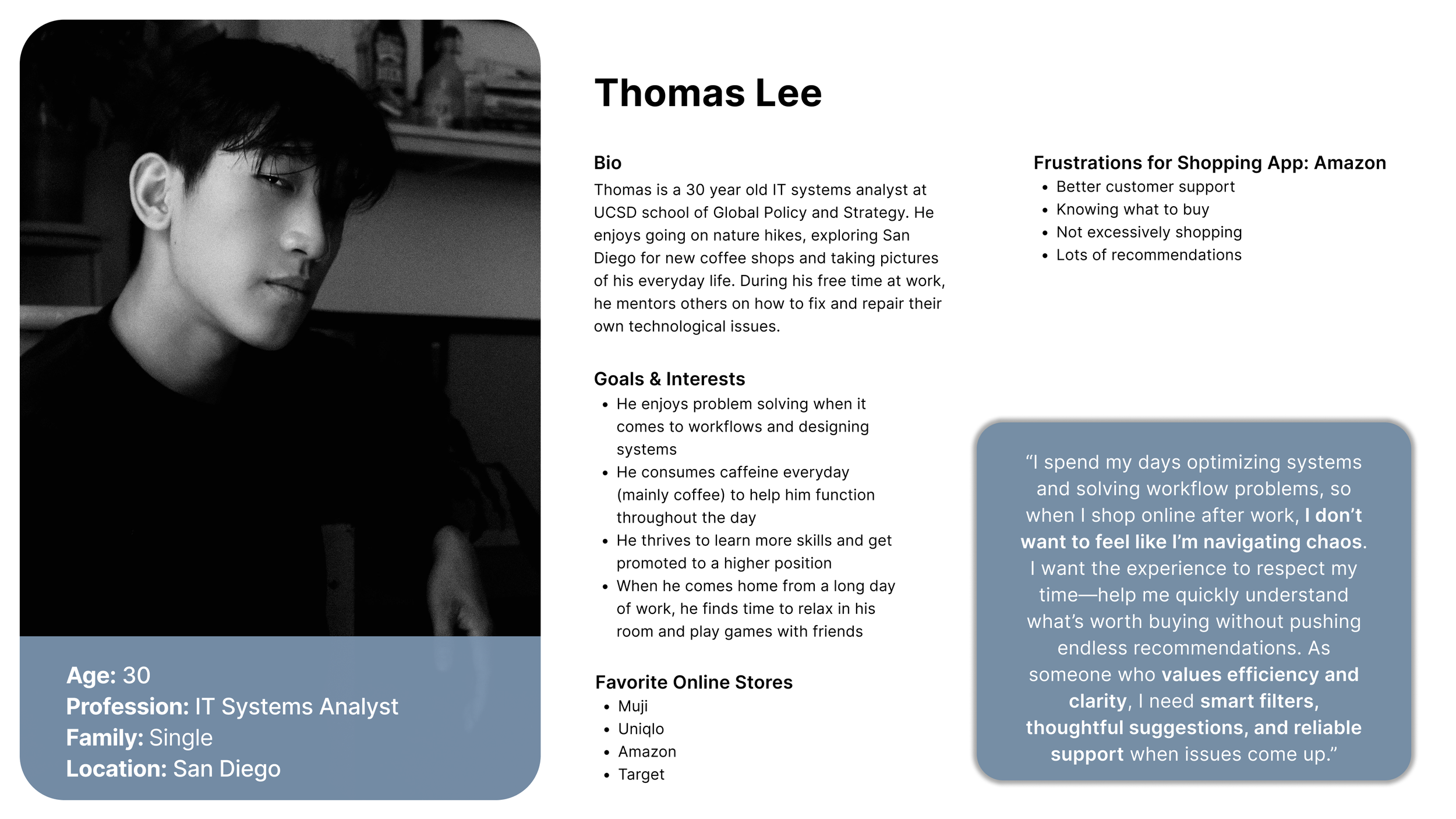
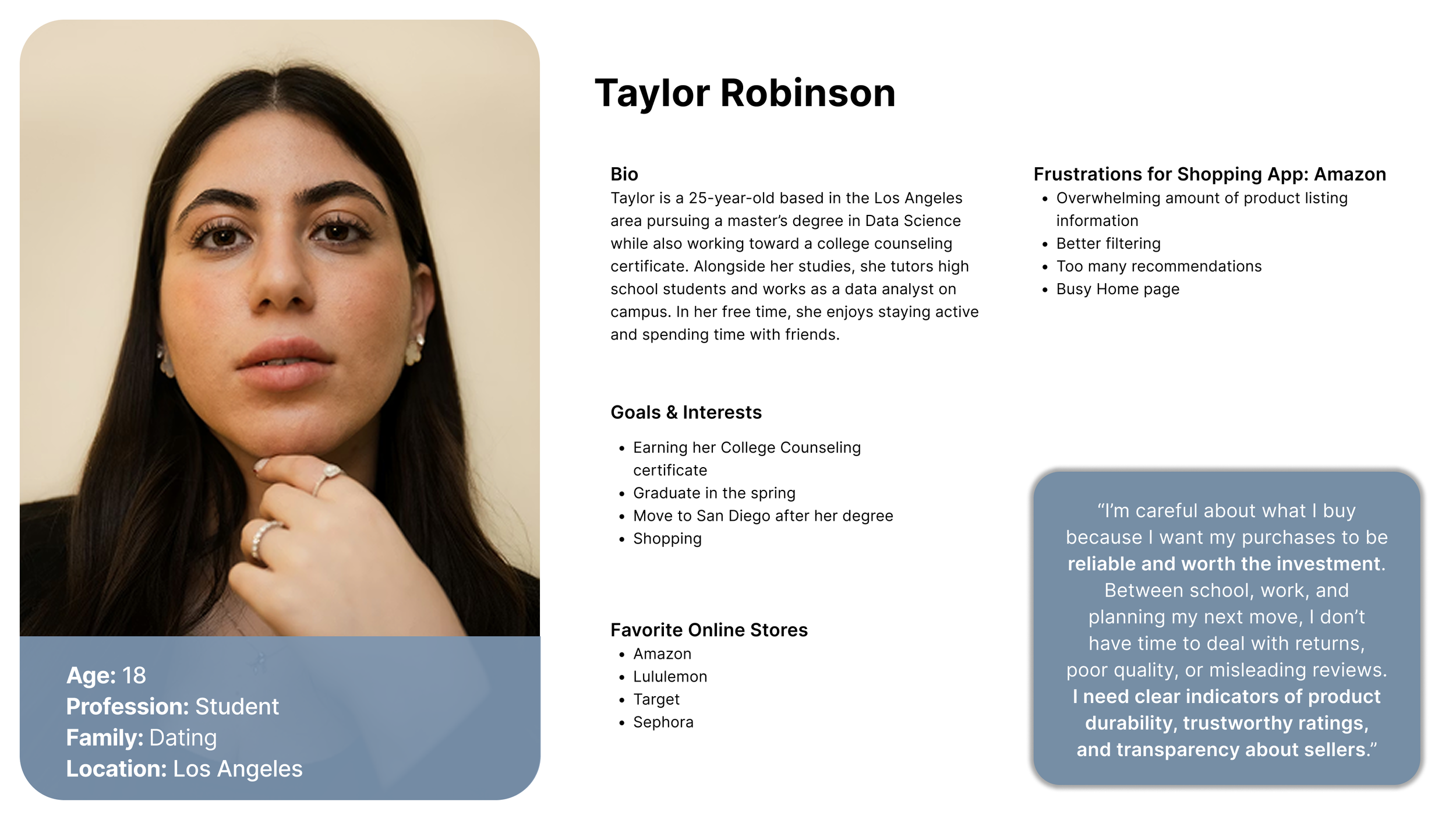
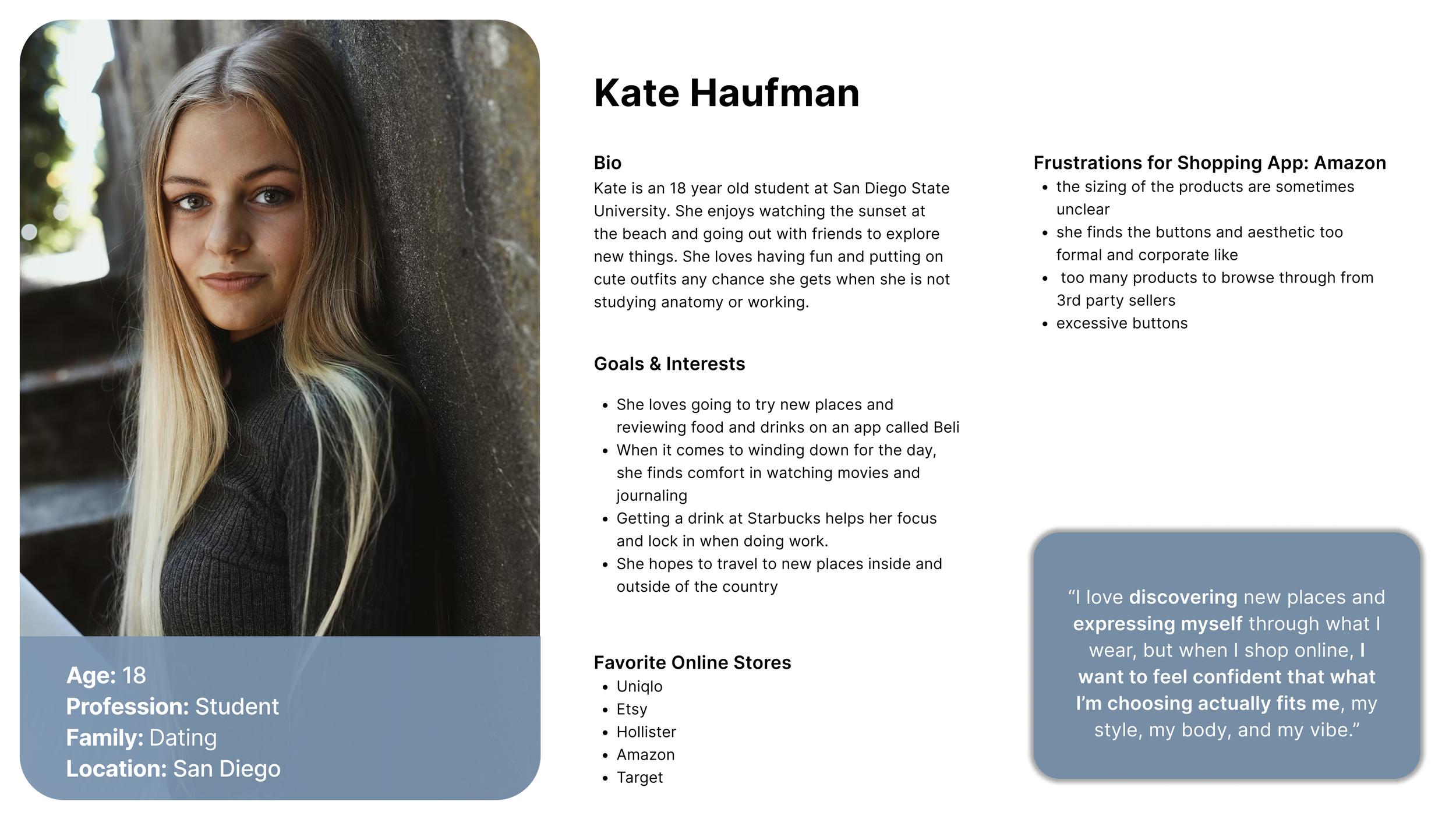
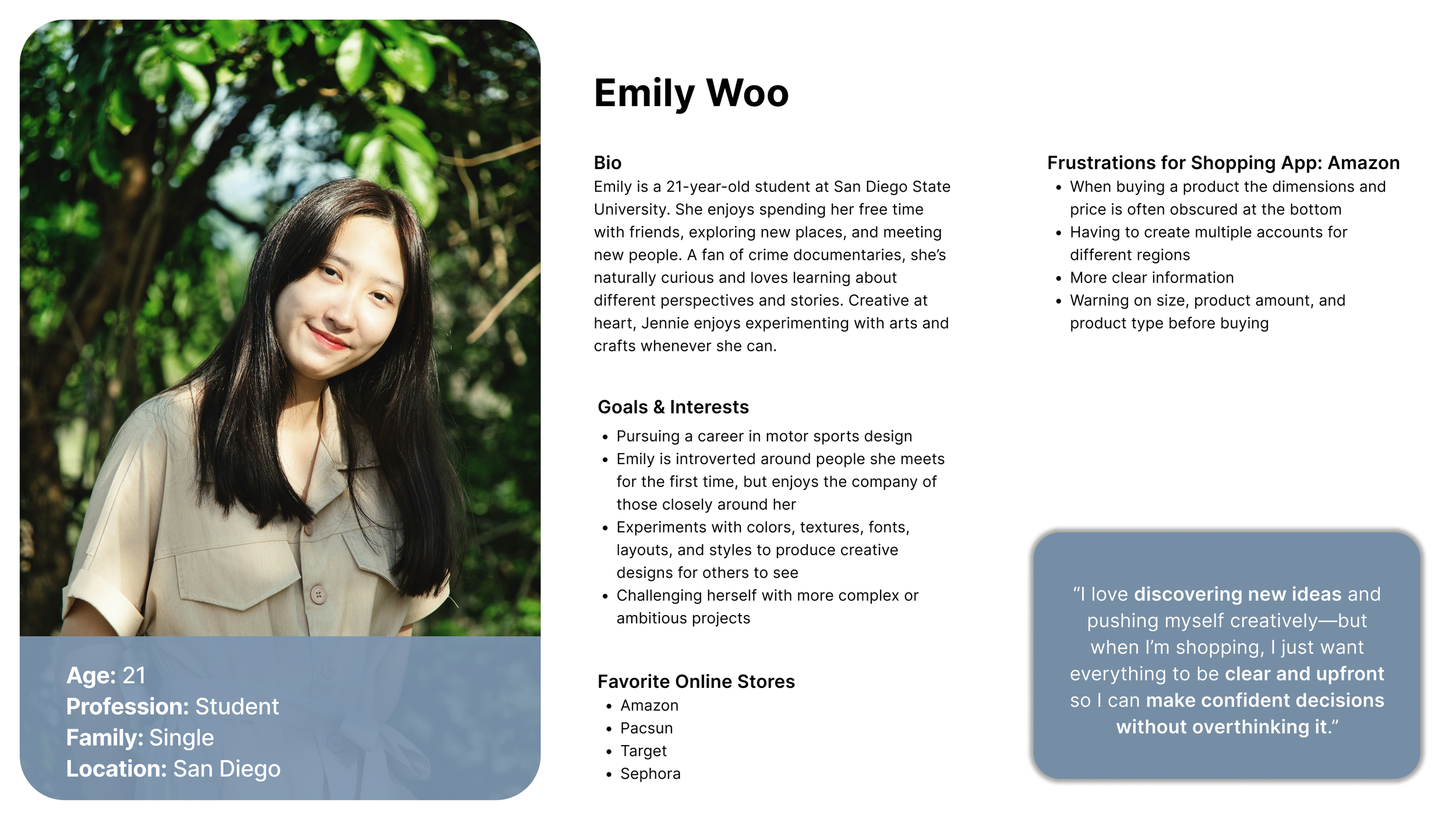
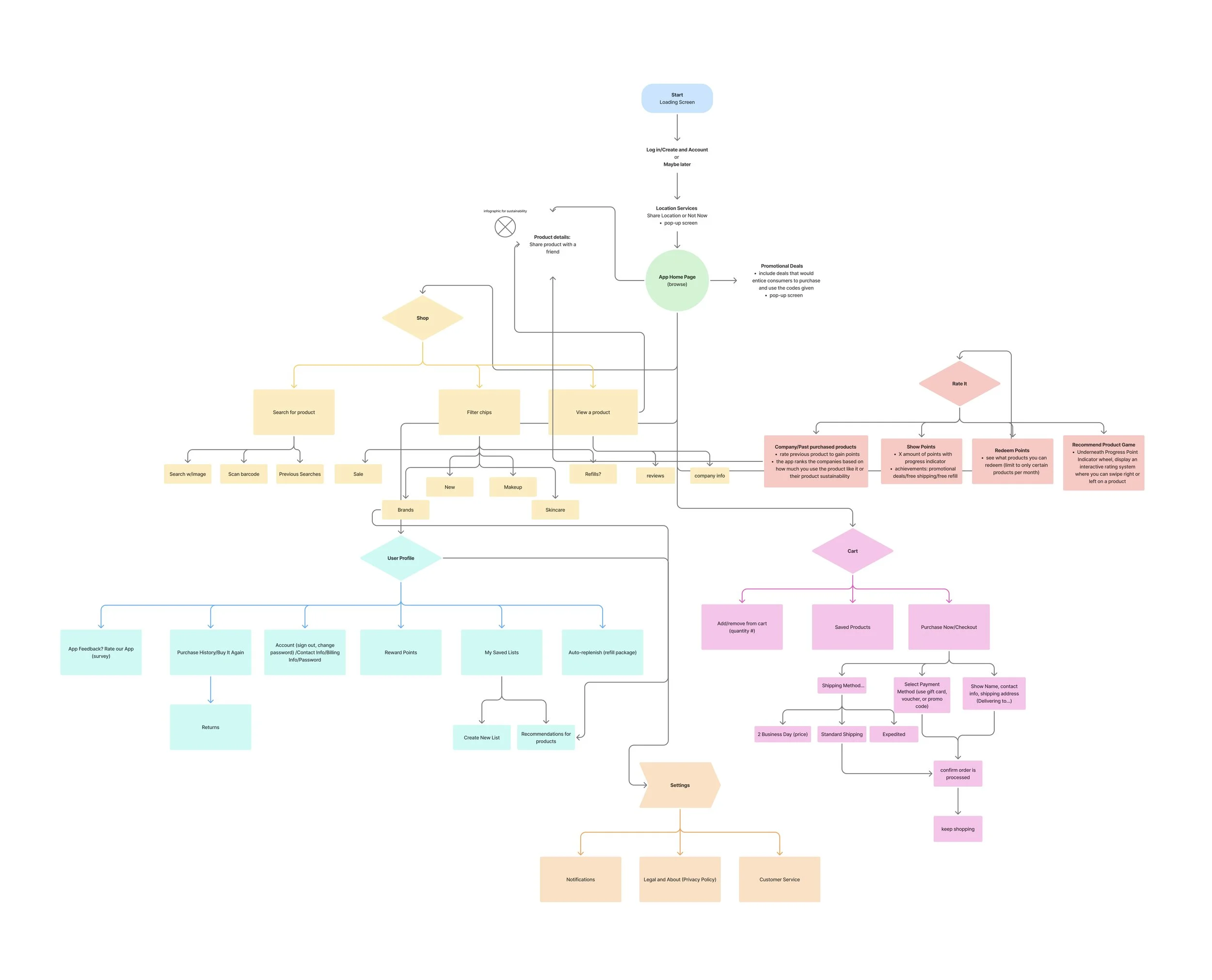
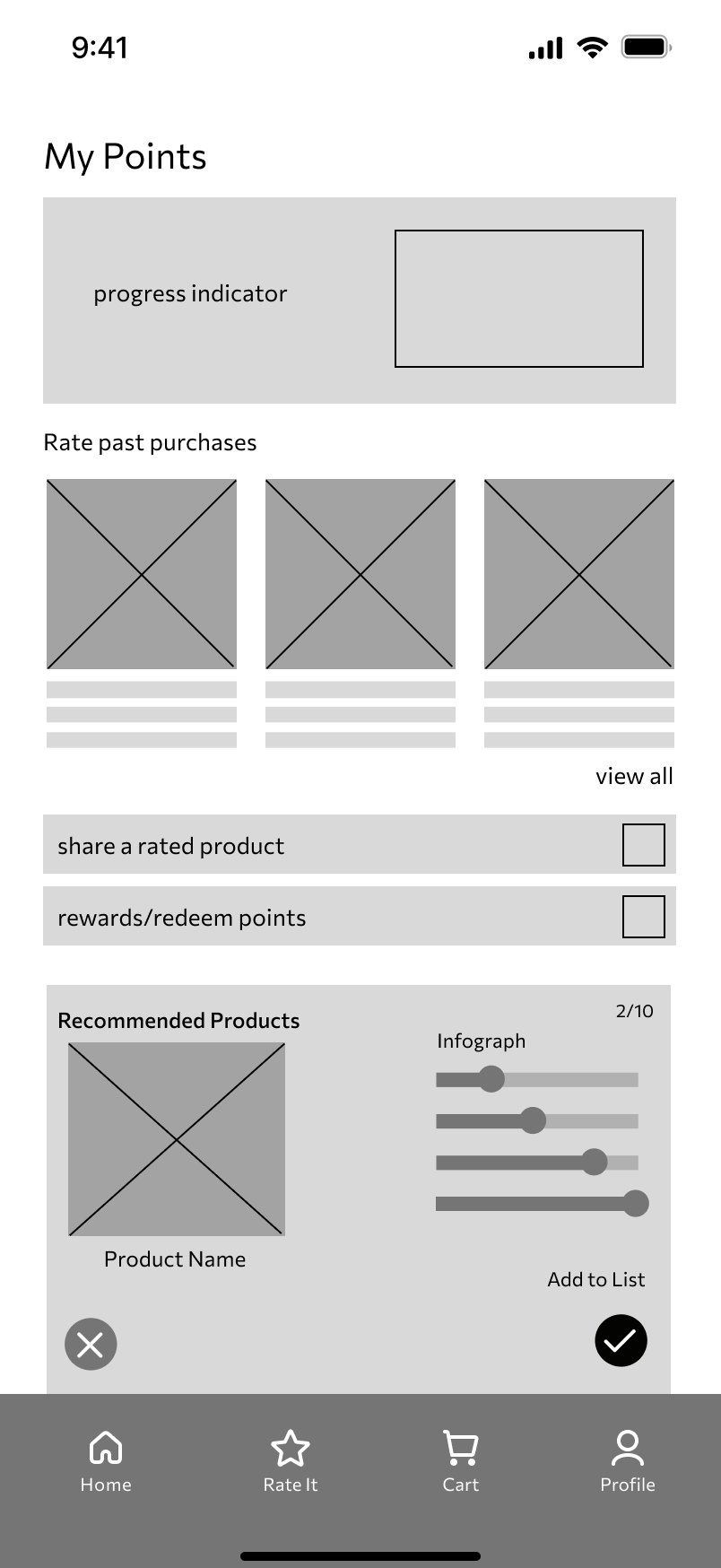
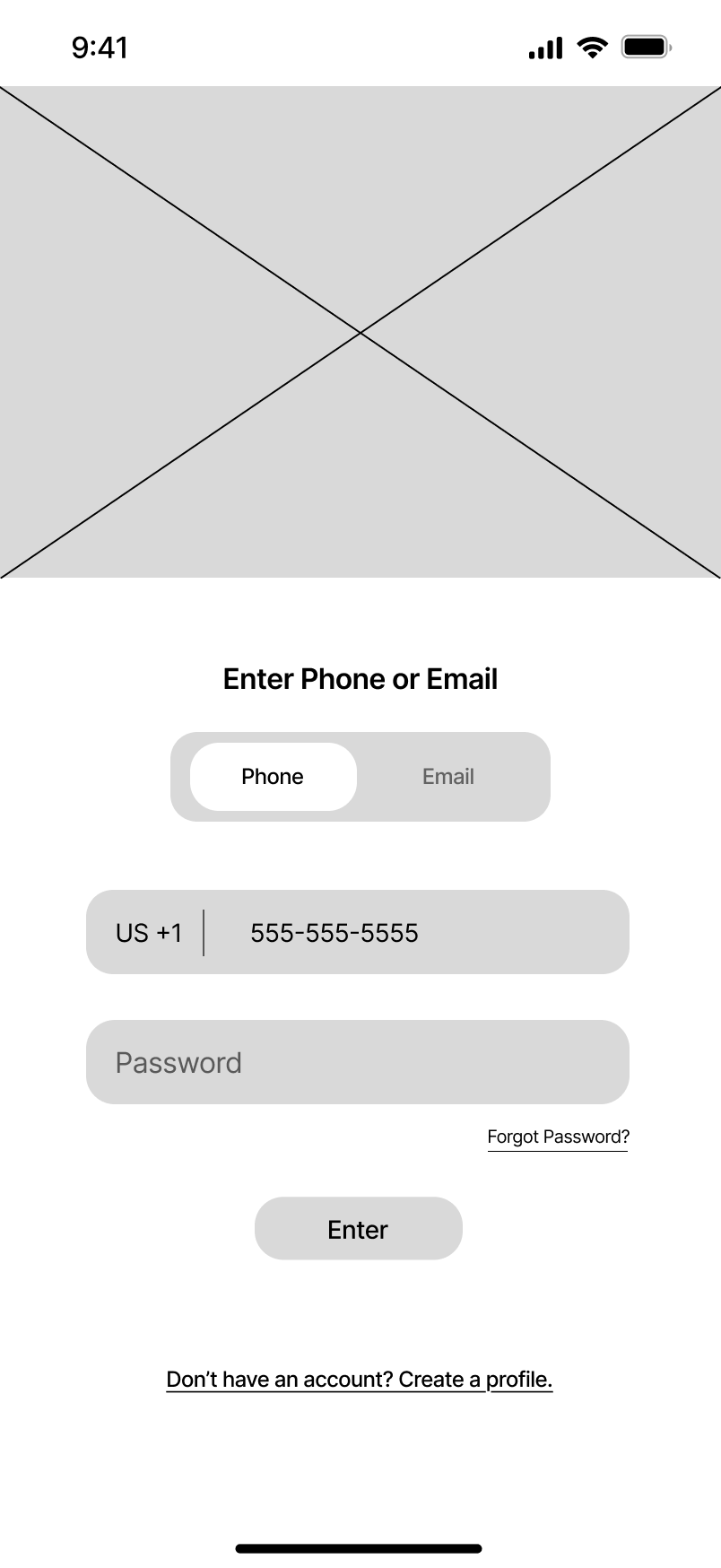
Personas, user flow, and low-fidelity wireframe
Phase 3:
Build prototype, user testing, data analysis, wireframe refinementsPrototype tests
-
Did you notice any other ways to rate or review a product? Which option would you choose to use? What makes that option better for you?
What shopping app would you say you use the most? In comparison to that app, how did you find the ‘add to cart’ experience when using our app? Did completing the task feel confusing or frustrating?
What did you think of the layout of the content? Did anything feel cluttered? Have you experienced using a messy interface design that immediately turned you away from an app/website? What made you log off?
What did you think of the checkout experience? Have you ever experienced a frustrating checkout experience on another app? What was frustrating or complicated about it? What was smooth about it?
Can you tell me what you think of our Rate It Screen feature? Would you use this to earn points or rewards? Why or why not? What do you think about how the ingredient info is displayed? Do you find this useful?
-
The first round of user testing showed that participants found the app intuitive and easy to navigate, especially when browsing products and viewing product details. Users responded positively to the rating feature and clear product information, which helped build trust and support decision-making. However, feedback identified areas for improvement in the add-to-cart experience, checkout flow, and rating flow, where users noted moments of confusion, unnecessary steps, or lack of visibility. These insights guided refinements to simplify key actions, reduce friction, and improve overall usability.
-
Based on user feedback, data analysis revealed opportunities to improve clarity, reduce friction, and strengthen key features within the app. Updates focused on enhancing the rating feature by increasing visibility and adding incentives to encourage user participation. Improvements were also made to the add-to-cart and checkout flows to streamline interactions and eliminate unnecessary steps. Additionally, the information hierarchy was refined to better highlight important product details and ingredient transparency. These updates aimed to create a more intuitive, efficient, and engaging user experience.
Phase 4:
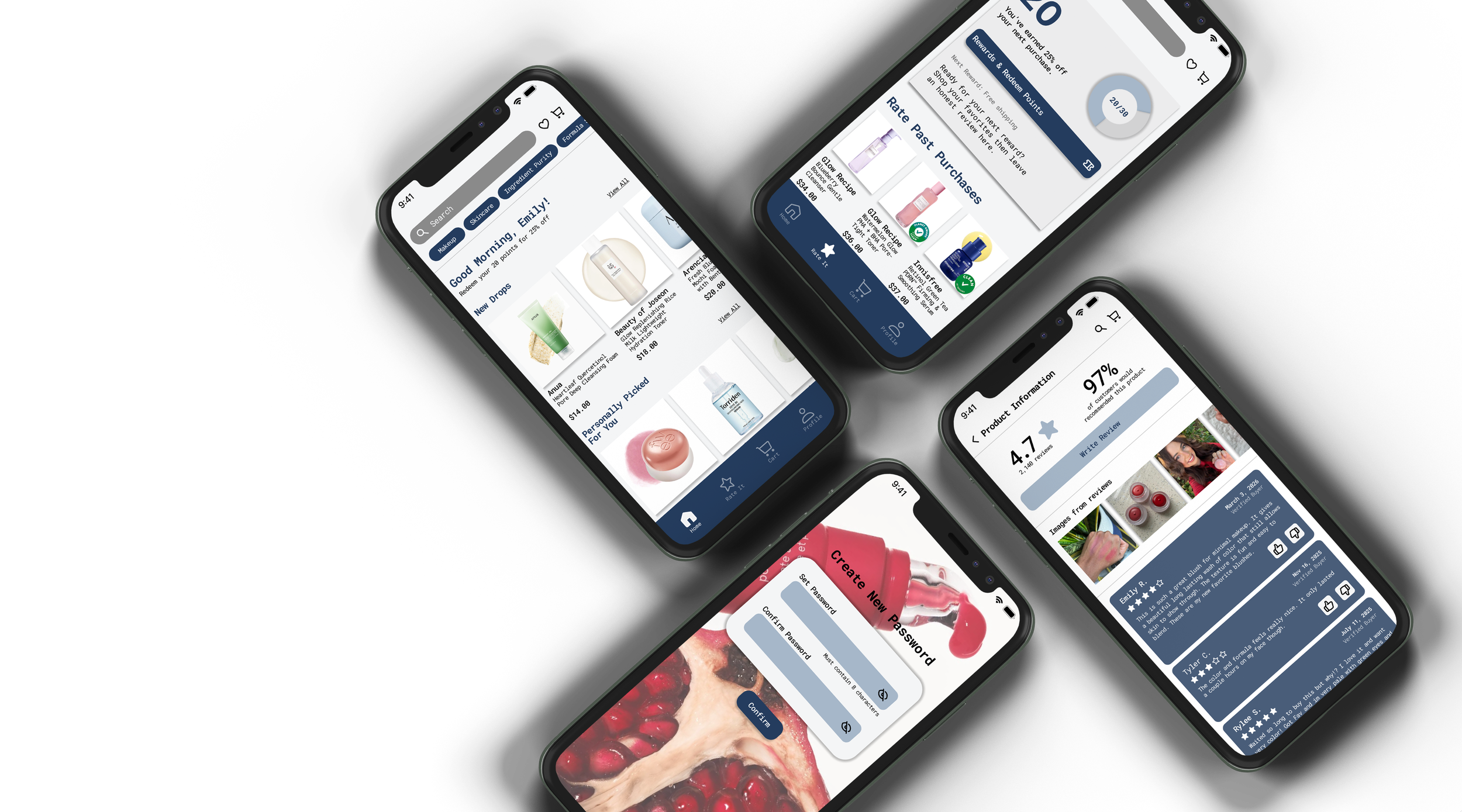
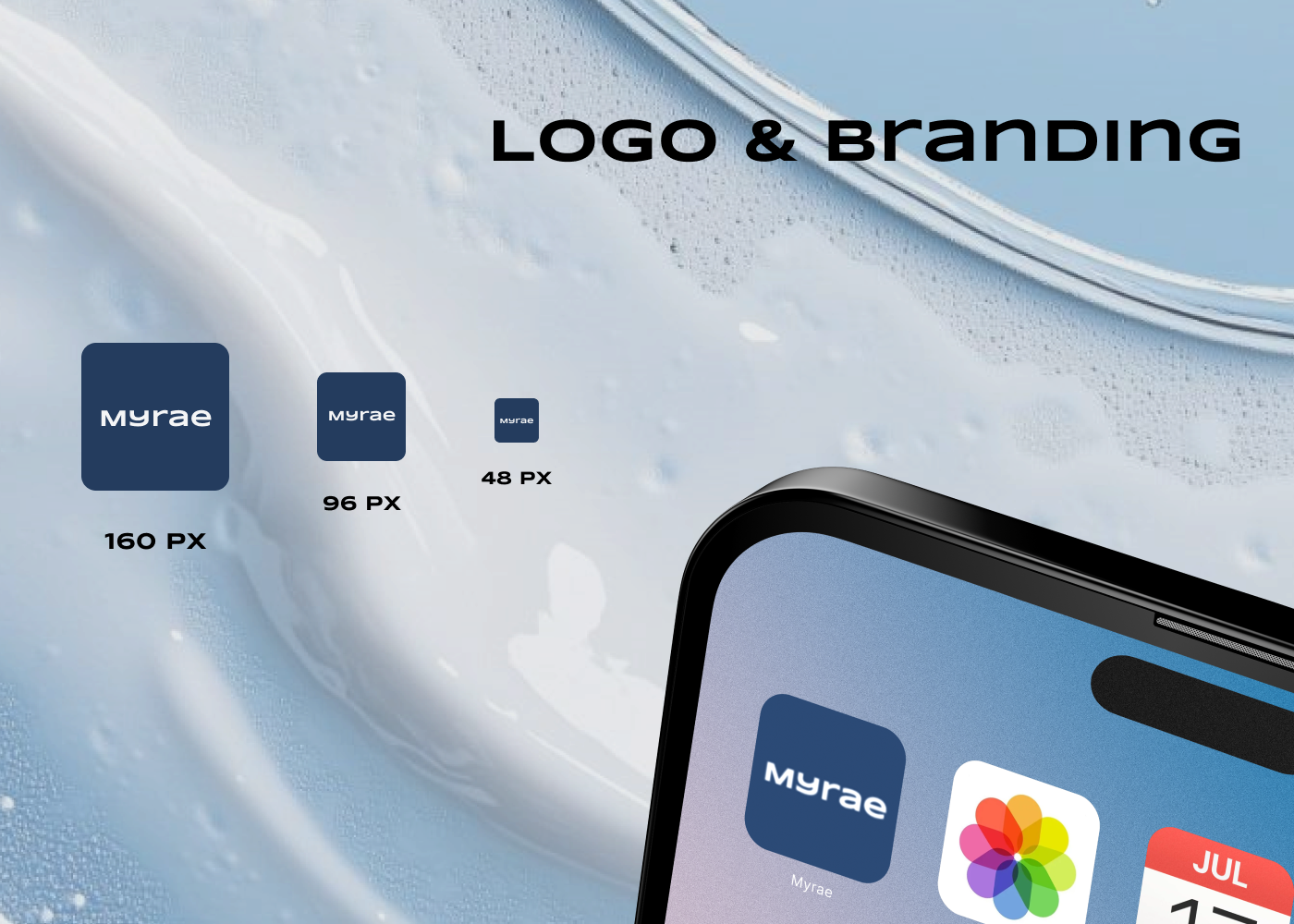
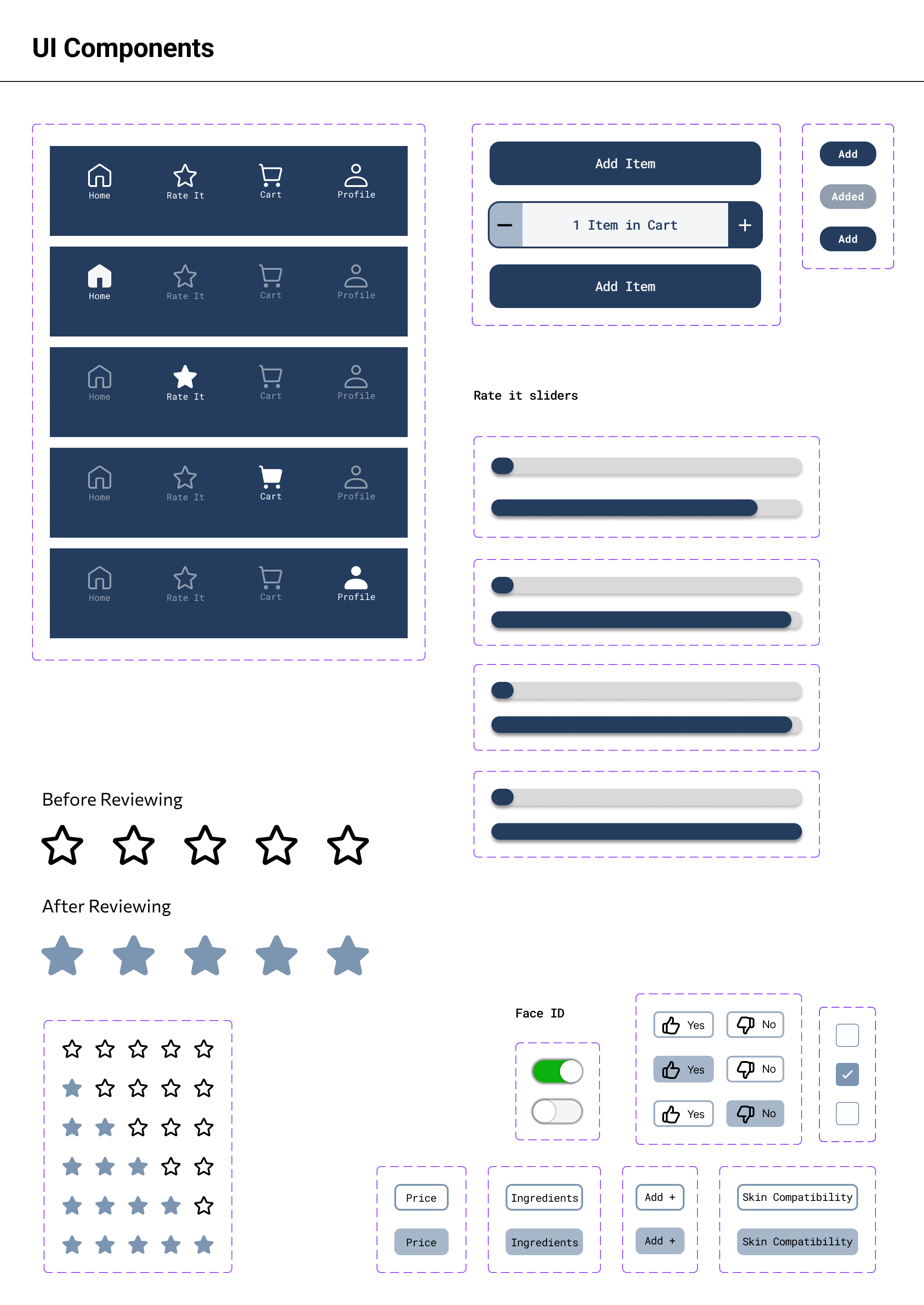
Moodboard, design systems, high-fidelity wireframe, full prototype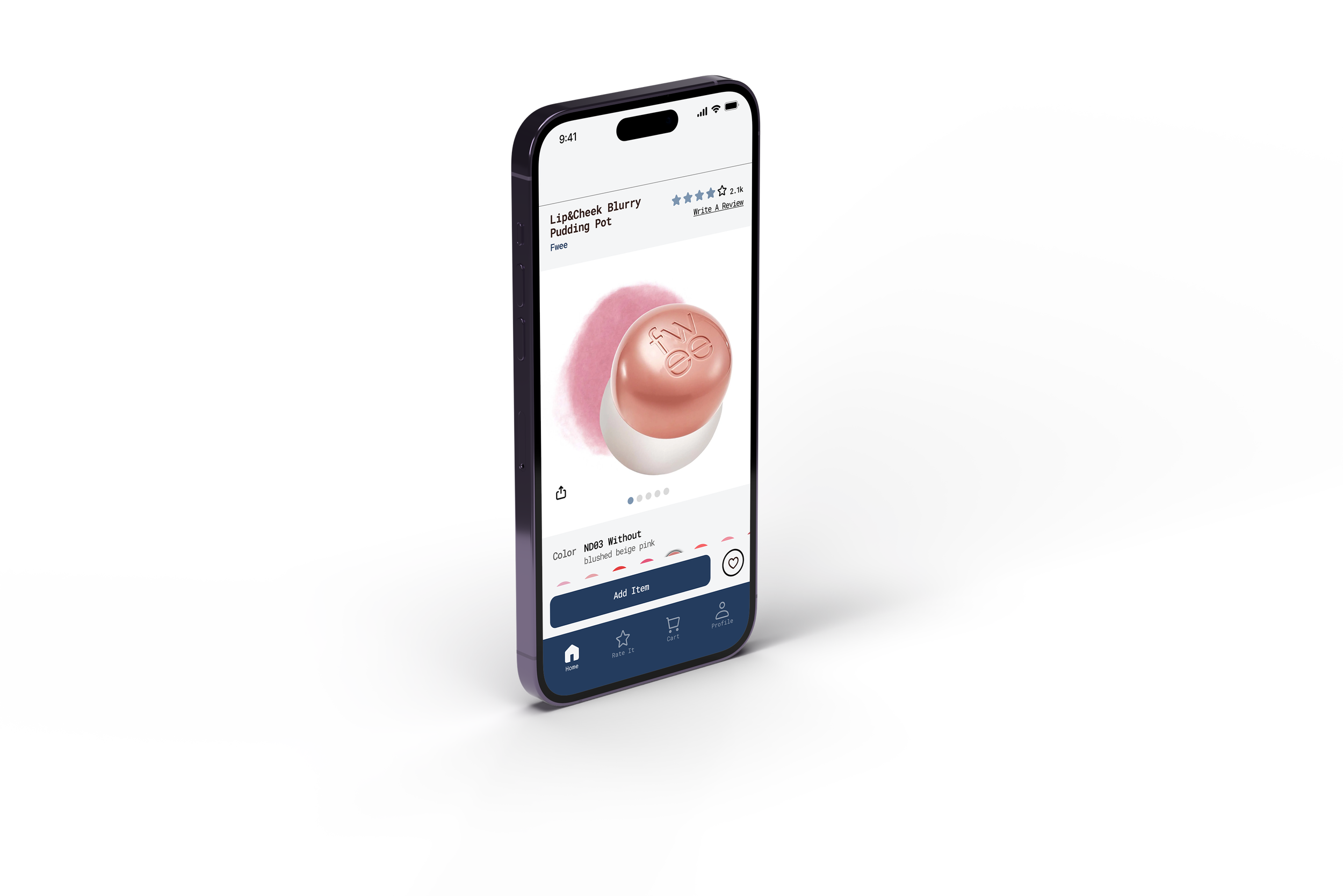


Phase 5:
Final user test, data analysis, final UI refinementsFinal Refinements
-
After you purchase a product, how likely would you use the rate it feature for rewards? Knowing that rewards include points for discounts, free shipping, etc. Can you use the rate/review feature and successfully leave a review for a product?
What is something you would like to see featured on the app or improved?
Does seeing other users’ ratings on the products raise your likelihood of using our app to see that feature?
How did you find the experience of using the app to complete the checkout task? How was the overall layout and organization of the app? Are the icons and text legible? Is there anything you were unclear of?
What functionality or feature on Myrae’s app works better for you than other beauty skincare/makeup apps?
-
User testing feedback showed that participants found the app intuitive, visually clean, and easy to navigate, particularly appreciating the organized layout, ingredient transparency, and clear display of ratings and reviews. The “Rate It” feature was well received, with users expressing a higher likelihood of engagement when incentives were clearly communicated.
However, several improvements were identified. Users suggested increasing the visibility of rewards by adding clearer prompts or pop-ups after purchase, as well as consistently displaying point totals within the interface. Some participants experienced minor friction in the product selection flow, noting that too many steps or unclear entry points could slow decision-making. The checkout process was generally smooth, but users recommended improving readability and hierarchy, such as making key actions (like confirming purchases or leaving reviews) more prominent and easier to access.
Additional feedback emphasized simplifying navigation by reducing unnecessary steps, clarifying where to leave reviews, and ensuring that important information such as incentives, ratings, and product benefits are surfaced more clearly. These insights guided refinements aimed at improving usability, encouraging user engagement, and strengthening trust within the overall experience.
-
Data analysis revealed that users needed clearer guidance, stronger incentives, and more accessible language to fully engage with key features. Feedback showed that users were unsure how the rating system worked, did not immediately understand reward opportunities, and found some sustainability labels too technical or unclear.
Additionally, users expressed the need for more transparency around who can leave reviews and when, highlighting the importance of trust in the rating system. The analysis also identified an opportunity to better connect post-purchase moments with engagement features, such as encouraging users to leave reviews through clearer reward messaging.
These insights informed design updates focused on improving clarity, simplifying language, and increasing visibility of incentives to drive user participation and confidence.
-
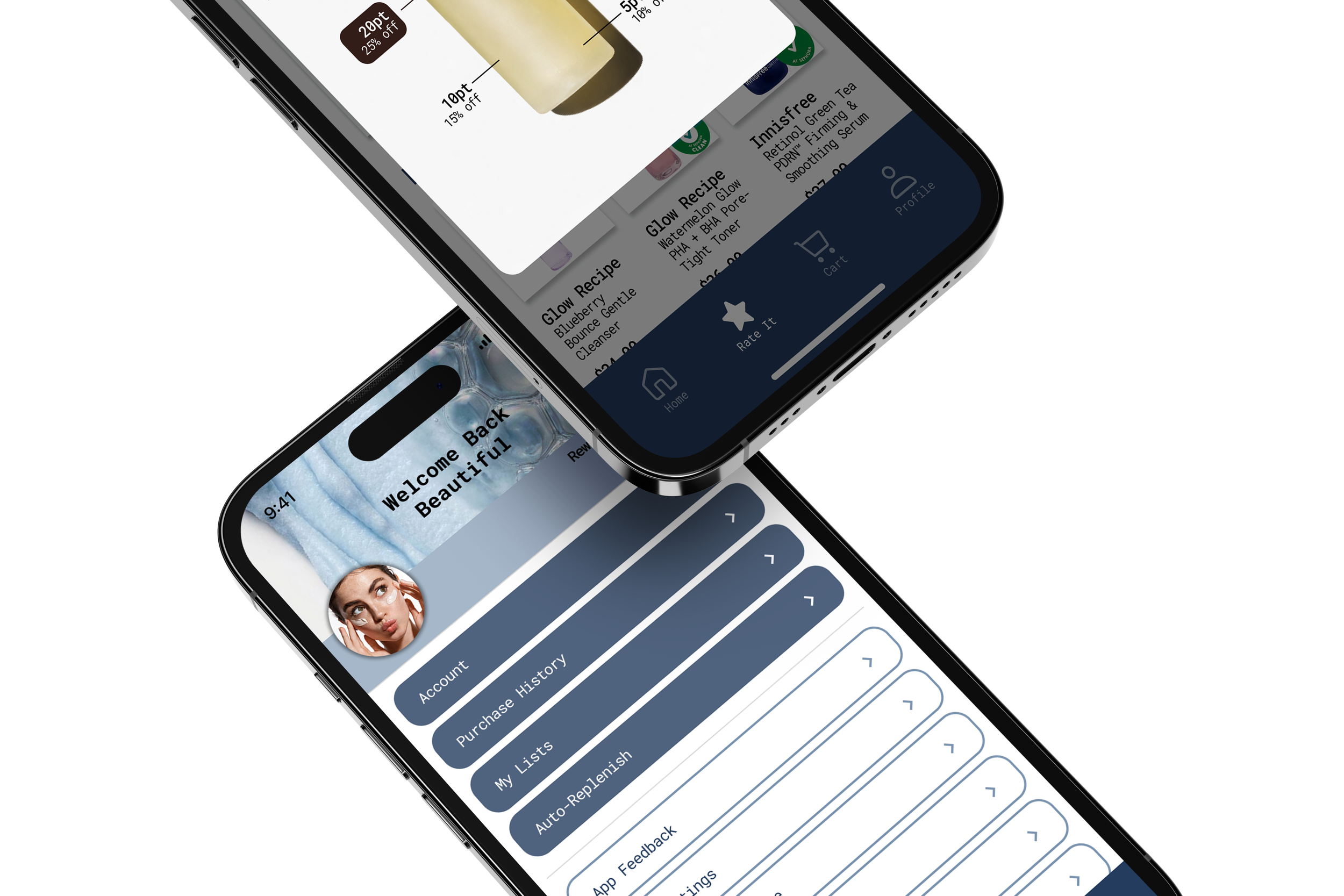
UI refinements focused on improving clarity, trust, and user engagement across key features. Updates to the “Rate It” page emphasized that reviews are limited to verified purchasers, reinforcing credibility, and added explanatory context to help users better understand the rating system. Sustainability rating labels were revised to be more user-friendly and accessible, ensuring they align with how customers interpret product benefits.
Additional improvements were made to the comments and reviews experience by maintaining consistent, customer-centered language. In the checkout confirmation flow, messaging was enhanced to clearly communicate rewards and incentivize participation in the rating feature, encouraging continued engagement after purchase. These refinements aimed to create a more intuitive, transparent, and motivating user experience.